Description
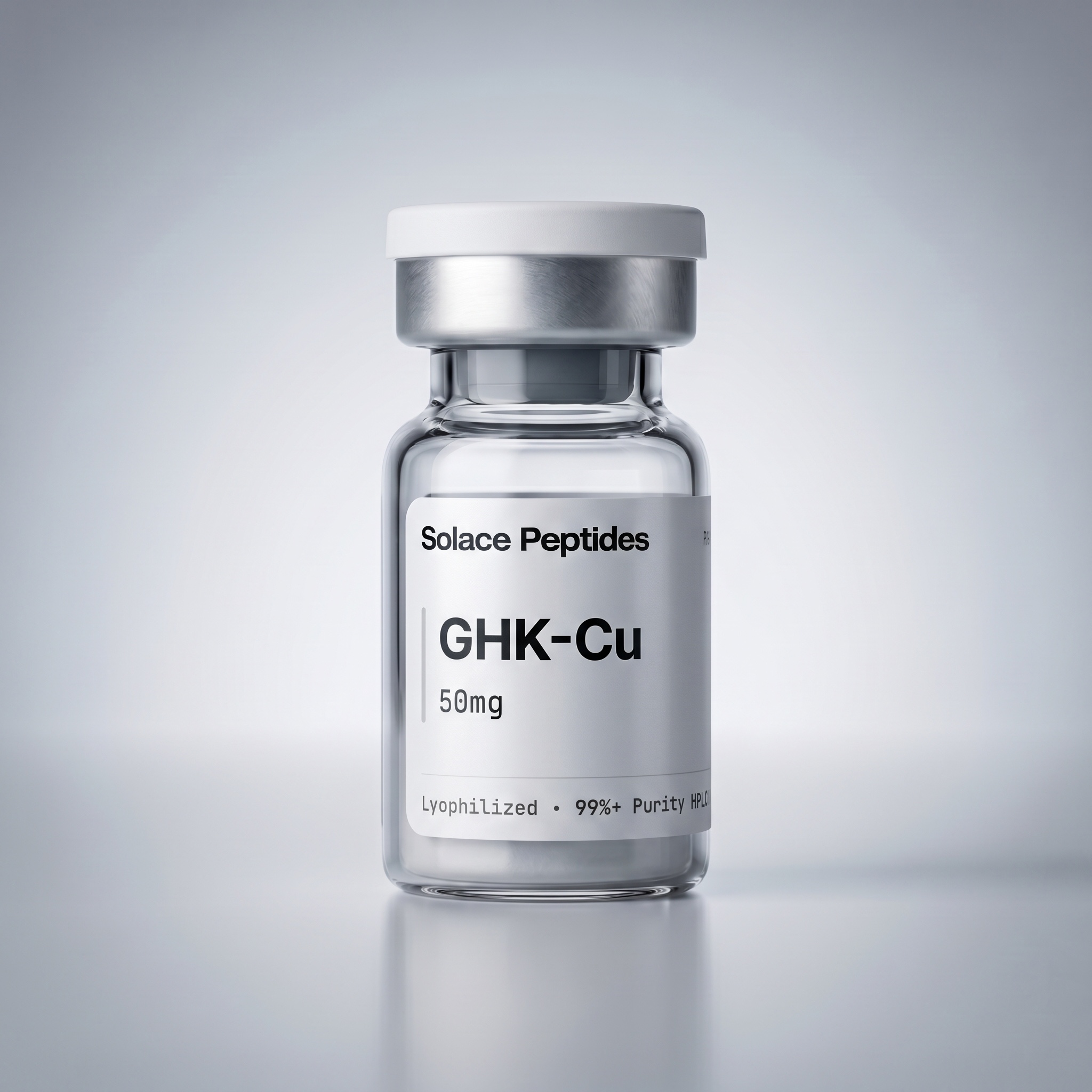
What it is — A copper-binding tripeptide (glycyl-L-histidyl-L-lysine) naturally present in human plasma, with levels that decline sharply with age — one of the most-cited compounds in skin and longevity research. Why it’s studied — GHK-Cu modulates gene expression at scale and drives collagen and extracellular-matrix synthesis, positioning it as a reference compound in tissue-remodeling and regenerative science. Key research findings
-
Modulated 4,192 human genes toward younger expression patterns (Pickart & Margolina, gene-expression study)
-
Significant upregulation of collagen and glycosaminoglycan synthesis pathways
-
Documented antioxidant and wound-remodeling activity across dermal research models